
"large coffee bean"
30000 article(s) found

Introduction of coffee beans and coffee trees in Kenya
Kenya is bordered to the north by Ethiopia, the origin of Arabica coffee trees, but it was not until the beginning of the 20th century that coffee cultivation began. In the 19th century, missionaries introduced Arabica trees from the leaves, but did not plant them in large quantities. It was not until 1893 that coffee was cultivated on a large scale because of the introduction of Brazil's ancient bourbon seeds. That is to say, Kenyan coffee is of Brazilian origin, because of water.

Mantenin boutique coffee beans with large granules introduce the flavor and taste of coffee manor and so on.
Mantenin coffee beans have large granules and hard beans, and they are prone to defects in the process of planting. After harvest, they are usually subject to strict manual selection. If the control process is not strict enough, it is easy to cause a mixture of good and bad quality. in addition, the different degree of baking will also directly affect the taste, so it has become a more controversial single product. Manning is full-bodied, full-bodied and rich and lively.

Introduction to the grinding scale treatment method for the flavor description of El Salvador Pacamara coffee beans
Pacamara coffee beans are so large that they are often stuck in the holes or gaps of the machine during peeling and separation in the treatment field, so the machine must be adjusted from time to time to deal with them separately. Due to the limited initial output of Pacamara, coupled with the fact that there are few large seeds in the country, most washing plants lack experience in handling large coffee fruits, let alone prepare a sieve with a larger mesh for special treatment.

Don't underestimate Kenyan coffee.
Kenya lies to the north of Ethiopia, the origin of Arabica coffee trees, but it was not until the early 20th century that it was engaged in coffee cultivation. In the 19th century, missionaries introduced Arabica trees from Yemen, but did not plant them in large quantities. It was not until 1893, when Brazil's ancient bourbon seeds were introduced, that coffee was cultivated on a large scale. That is to say, the current Kenyan coffee has Brazilian ancestry.
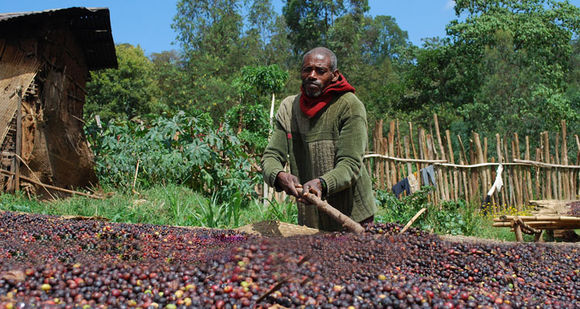
Kenya Coffee Tree Kenya Coffee beans Kenya Coffee Farm Kenya AA++
Kenya is bordered to the north by Ethiopia, the origin of Arabica coffee trees, but it was not until the beginning of the 20th century that coffee cultivation began. In the 19th century, missionaries introduced Arabica trees from the leaves, but did not plant them in large quantities. It was not until 1893 that coffee was cultivated on a large scale because of the introduction of Brazil's ancient bourbon seeds. That is to say, Kenyan coffee is of Brazilian origin, because of water.

Can coffee be relieved at coffee farms in Kenya?
Kenya is bordered to the north by Ethiopia, the origin of Arabica coffee trees, but it was not until the beginning of the 20th century that coffee cultivation began. In the 19th century, missionaries introduced Arabica trees from the leaves, but did not plant them in large quantities. It was not until 1893 that coffee was cultivated on a large scale because of the introduction of Brazil's ancient bourbon seeds. That is to say, Kenyan coffee is of Brazilian origin, because of water.

Introduction to the production area of varieties with AA Flavor description and Grinding scale for Kenya Coffee Bean treatment
Kenya coffee bean processing method AA flavor description grinding scale variety production area introduction do not underestimate Kenyan small farmers, they are the same ant soldiers, the overall production capacity is higher than large farms, about 6: 4, which is very rare in bean-producing countries. Kenyan coffee is widely appreciated by connoisseurs, thanks in large part to small farmers guarding the foothills and producing high-quality coffee. In addition, Kenya beans must be strict.

Washed Kenyan Arabica Coffee
Kenya is bordered to the north by Ethiopia, the origin of Arabica coffee trees, but it was not until the beginning of the 20th century that coffee cultivation began. In the 19th century, missionaries introduced Arabica trees from the leaves, but did not plant them in large quantities. It was not until 1893 that coffee was cultivated on a large scale because of the introduction of Brazil's ancient bourbon seeds. That is to say, Kenyan coffee is of Brazilian origin, because of water.

Kigingar small Cooperative Coffee Flavor taste Kenya KFCS large Cooperative introduction
Professional baristas please follow the coffee workshop (Wechat official account qianjiecoffee) small processing farm (junior cooperative) is located near the town of Kerugoya, Gichugu District, Central Province, founded in 1988, its members are made up of neighboring villagers of Kamwana, Gatumbi, Kithama and Kathaka, with a land area of about 7 acres. Small processing farms in Kenya often sign with large cooperatives.

Kenya Coffee-introduce how to debug the coffee grinder
Kenya is bordered to the north by Ethiopia, the origin of Arabica coffee trees, but it was not until the beginning of the 20th century that coffee cultivation began. In the 19th century, missionaries introduced Arabica trees from the leaves, but did not plant them in large quantities. It was not until 1893 that coffee was cultivated on a large scale because of the introduction of Brazil's ancient bourbon seeds. That is to say, Kenyan coffee is of Brazilian origin, because of water.

There are not many large-scale coffee plantations in Papua New Guinea.
There are not many large-scale coffee plantations in Papua New Guinea, and about 75% of the coffee comes from small local farmers.
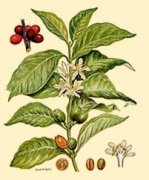
Coffee beans Coffee
There are about 60 species of coffee in the world, of which only 25 species are cultivated to make coffee, of which only 4 species are used as commercial coffee: large fruit coffee (Coffea liberica), medium fruit coffee (Coffea canephora), small fruit coffee (Coffea arabica) and high yield coffee (Coffea dewevrei). These are botanical names. Coffee in the world at present

Coffee production is relatively large in that country.
Although Brazil produces 30 to 35% of the world's coffee annually, ranking first in the world, none of the Brazilian beans can be called the top coffee. The mountains are covered with coffee trees in southern Brazil, but Santos is the only one that can be put on the table; most of the other hastily processed beans are used to make instant coffee and easy-to-open coffee. Santos coffee maker
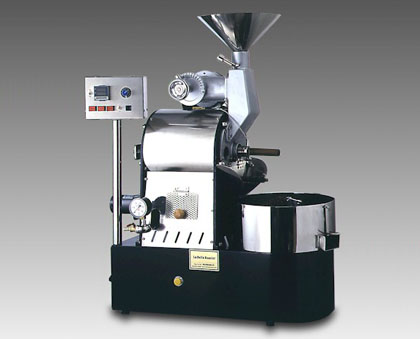
The evolution history of coffee roaster
As early as the 13th century, the Arabs invented to put coffee beans in a pot, stir-fry them with fire, grind them into powder, and then brew coffee. The early Arabs liked to bake the beans shallowly and boil them with spices such as cardamom. Later, this coffee stir-frying method spread to Syria, Turkey and Egypt, where it was used to stir-fry the coffee black, then grind it into powder and add it.

Selection of coffee beans
In short, when choosing green coffee beans, beans with uniform shape, thickness, size, color, center line and so on are the best. In short, an average bean is a good bean. Unfortunately, such beans are extremely rare.

Mexican coffee beans with large grains, strong sweetness, sour taste, and good aroma
Mexicans are enthusiastic and optimistic, and the chocolates in Mexican coffee perfectly reflect this. There are different methods of Mexican coffee, but the main difference is whether it contains alcohol or not. let's first introduce the practice of non-alcohol. Heat a cup of milk, a teaspoon of cinnamon powder and a teaspoon of vanilla powder in a pot. Keep it at medium temperature. The heat is not too high. The milk must not boil. And then join in
About the history of coffee roasters
The history of coffee roasters as early as the 13th century, the Arabs invented to put coffee beans in a pot, heat and stir-fry them, then grind them into powder, and then brew coffee. The early Arabs liked to bake the beans shallowly and boil them with spices such as cardamom. Later, this method of stir-frying coffee spread to Syria, Turkey and Egypt, where it was used to stir-fry coffee black.

A brief introduction to the market price of spicy and unrestrained Kenyan boutique coffee beans
Large coffee processing farms in Kenya usually have independent processing facilities. A large number of small farmers usually pick ripe coffee fruits by hand. Coffee picking is a labor-intensive job that requires the whole family to deploy and even hire workers during the harvest season. The fresh fruits of the picked coffee need to be promptly transported to the cooperative-owned coffee processing plant for pulping and transportation.

Kenyan coffee beans with strong, sweet and mellow thickness introduce fine coffee.
Kenya is bordered to the north by Ethiopia, the origin of Arabica coffee trees, but it was not until the beginning of the 20th century that coffee cultivation began. In the 19th century, missionaries introduced Arabica trees from the leaves, but did not plant them in large quantities. It was not until 1893 that coffee was cultivated on a large scale because of the introduction of Brazil's ancient bourbon seeds. That is to say, Kenyan coffee is of Brazilian origin, because of water.

Description of flavor and aroma characteristics of San Juan Xido boutique coffee beans with large particle shape
For coffee production, the geographical conditions of Honduras are no less than those of its neighboring coffee-producing countries such as Guatemala and Nicaragua. There are 280000 hectares of coffee plantations in Honduras, mainly small coffee plantations, most of which are less than 3.5ha. These coffee plantations account for 60% of the total coffee production in Honduras. In the coffee garden, because the planting land belongs to